How CIDP Fighters Can Build Resilience and Find Peace After Diagnosis
Stress resilience Greatly influences the process of illness and outcome in health – but how to build it?
Did you know that you can stress-proof your brain just like you can protect your roof from water damage?
I didn’t realize this until I started experiencing chronic illness myself a couple of years ago. Living with Lewis Sumner Syndrome/ a variant of CIDP, is not smooth Mediterranean sailing; it’s more akin to sliding bare-bottomed on a rocky slope that often leaves you feeling emotionally bruised and exhausted.
The constant worry, watching symptoms worsen, and the uncertainty of what is happening can be paralyzing. There are visits to doctors, endless medical exams, hospital stays, misdiagnoses, side effects of medications, unpredictability, loneliness, insensitivity from others, financial strain, loss of employment, disability, and setbacks—the list goes on and on. Needless to say, it turns your life upside-down and demands a hell of adjustments from one day to another and without warning. Overwhelming doesn’t really begin to describe it!
Here is another twist in my situation – on top of my CIDP diagnosis, I’ve also been dealing with neurasthenia (the term used years ago by my therapist during one of our sessions, after I described some of my struggles) —which sounds like something out of a Victorian medical textbook (because it is, and I still can’t figure out why my therapist used it and if he finally got an update memo).
Back in the day, this condition was blamed on everything from “overuse of the brain” to “excessive telegram reading” (seriously, look it up). Today, we know it’s not just a case of the vapors but rather a mix of relentless fatigue, brain fog, anxiety, and other not-so-delightful symptoms that make everyday life feel like wading through molasses.
In modern medicine, most of its symptoms get lumped under Chronic Fatigue Syndrome, anxiety, depression, or Somatic Symptom Disorders, but in some parts of the world—especially in Asia—neurasthenia is still recognized under names like shenjing shuairuo (which loosely translates to “nervous system weakness,” aka “Your nerves are just done”).
For those unfamiliar with this condition Chronic Fatigue Syndrome is basically your nervous system waving a tiny white flag, saying, “Too much! I’m out!” It comes with a fun grab bag of symptoms, including:
- Persistent fatigue (the kind that makes you tired just from existing)
- Headaches that come out of nowhere like uninvited party guests
- Dizziness (because standing up is apparently an extreme sport)
- Anxiety and irritability (not my fault if people are extra annoying today, aren’t they?)
- Sleep disturbances (because my brain thinks 3 AM is the perfect time to replay every awkward moment of my life)
- Concentration issues (Wait, what was I saying? Oh, right…)
- Mysterious aches and pains that doctors shrug at
- Digestive drama (because my stomach just loves to keep things interesting)
So, while the term neurastenia may have gone out of style, the struggle is still very real.
I had to come to terms with the fact that my nervous system wants to be an overdramatic diva, and I had to learn how to work with it. That’s the least I can do. My strategy so far involves a lot of rest, mindfulness, supplementing, quality food, physical exercises, and the occasional pep talk.
After realizing that “my nerves are just done” and CIDP has no intention of leaving, I felt that I needed to do more, get more serious about it.
But how? Where to start?
INTERNET of course!
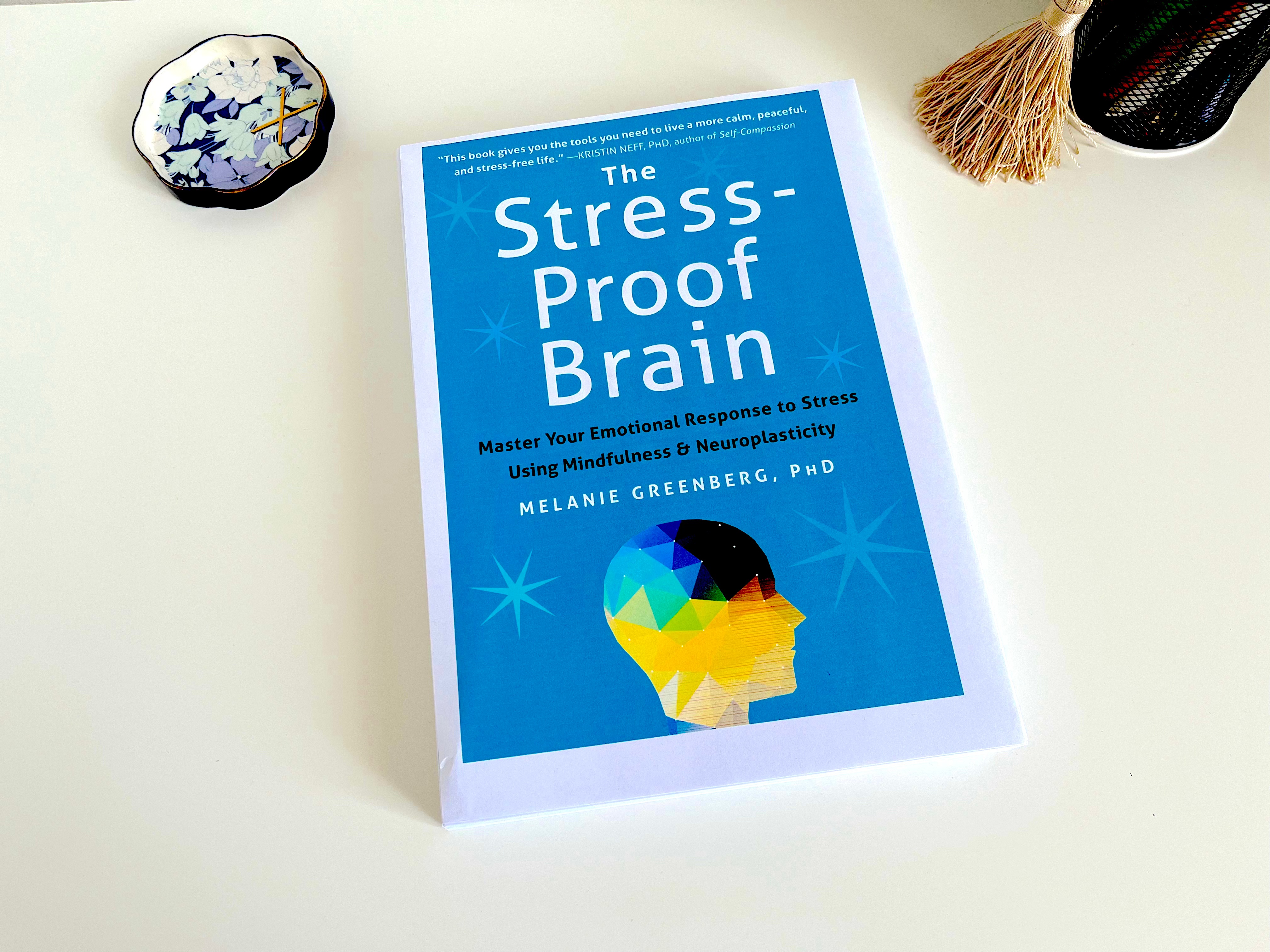
While we can’t always control the challenges life throws at us, we can control how we respond to them. Diving into the world of stress management and brain science (because why not add one more thing to my plate?), I stumbled upon a PDF of The Stress-Proof Brain book by Melanie Green. There’s a ton of material out there, but this book was a solid starting point for me.
It teaches how to retrain our brains to handle stress with more resilience and calm—two things you’re going to need in abundance when dealing with a chronic condition. And building that resilience? It’s like training for a marathon.
It’s not easy – I can tell you that!
With a chronic illness like CIDP, stress isn’t just an occasional inconvenience—it’s practically a roommate that won’t move out. So learning how to work with it instead of letting it steamroll you? That’s where the magic happens.
This book helped me see that while I can’t control everything (looking at you, unpredictable symptoms), I can control how I respond. And that, my friend, is a game-changer.
Understanding Stress When You Have a Chronic Condition
Stress isn’t just something we feel—it’s a biological reaction that impacts our entire body. When we experience stress, the amygdala (our brain’s alarm system) takes over, making it harder for the prefrontal cortex (the rational thinking part) to do its job. Over time, chronic stress rewires the brain to stay in a heightened state of reactivity, making us more prone to anxiety, frustration, and emotional exhaustion.
If you’ve ever felt stuck in a cycle of stress, you’re not alone. When we begin to feel stressed, we create mental stories of worry and regret that compound our mental suffering. — Melanie Greenberg, The Stress-Proof Brain
The good news? The brain is adaptable. Through neuroplasticity, we can retrain our minds to respond differently to stress—building new, healthier pathways that promote calm, balance, and resilience.
Acute vs. Chronic Stress: Why It Matters
Stress comes in different forms. Acute stress is short-term, like feeling nervous before a big event or slamming on the brakes to avoid an accident. It can even be helpful, sharpening our focus and reaction time. Chronic stress, on the other hand, is long-term and persistent. It happens when stressors—like pain, uncertainty, or medical challenges—don’t go away.
For those with chronic illnesses, stress can become a constant companion. This prolonged state of stress keeps our bodies in fight-or-flight mode, leading to:
- Increased inflammation, which can worsen symptoms
- Fatigue and brain fog
- Weakened immune function
- Higher risk of anxiety and depression
Positive emotions and mental states may make people more resilient to stress, like sturdy tree branches that bend but don’t break when battered by a storm. — Melanie Greenberg, The Stress-Proof Brain
Understanding the difference between acute and chronic stress is empowering. It helps us recognize when stress is temporary and when we need to take action to break the cycle of long-term stress overload.
How Neuroplasticity Can Help YouR Nerve health
Neuroplasticity means our brains can change and grow no matter our circumstances. Even if stress and illness have taken a toll, we can rebuild mental resilience through intentional practice. By shifting our thought patterns, embracing self-care habits, and staying mindful, we create new neural connections that make it easier to handle life’s challenges.
For those of us managing chronic neurological conditions, this means hope. We may not be able to change our diagnosis, but we can change how we experience it.
10 Ways to Build a Stress-Proof Brain (Even with CIDP)
1. Reframe Stress as a Challenge, Not a Threat
Not all stress is bad. It can be a signal for growth, teaching us patience, strength, and resilience. Instead of seeing stress as something to fear, try asking yourself: How can I grow from this? What can I learn? Shifting your mindset can reduce the toll stress takes on your body and mind.
2. Stay Grounded in the Present
Chronic illness often brings uncertainty. The “what ifs” can feel endless. But focusing on the present moment helps quiet the mind and reduce anxiety. Try:
- Taking slow, intentional breaths
- Using grounding techniques (like feeling the texture of an object or listening to calming sounds)
- Practicing mindfulness, even for just a few minutes a day
The skill of mindfulness allows you to remain grounded in the present moment even when you face difficult stressors, so that your stressful feelings feel more manageable. — Melanie Greenberg, The Stress-Proof Brain
3. Be Flexible with Your Thoughts
When we’re struggling, it’s easy to fall into rigid thinking—I’ll never feel better, My life is over. But thoughts aren’t facts. Challenge these patterns:
- Ask: Is this really true? Is there another way to see this?
- Shift from self-defeating thoughts to empowering ones (I am learning how to manage my symptoms. I am doing my best.)
- Focus on problem-solving rather than dwelling on limitations
4. Speak to Yourself with Kindness
Let’s be honest—living with chronic illness is tough. Self-criticism only makes it harder. Instead, try:
- Talking to yourself as you would a close friend (It’s okay to struggle. You’re doing your best.)
- Recognizing that your illness does not define you
- Giving yourself permission to rest without guilt
5. Take Control Where You Can
Even when it feels like your chronic condition is in charge, you do have control over certain things. Small choices make a big difference:
- Label Your Emotions: Instead of saying, “Everything is falling apart,” try “I feel overwhelmed right now.” Naming emotions helps take away their power.
- Breathe with Intention: Deep breathing activates the body’s calming system, helping you regain control.
- Set Boundaries: Protect your energy by saying no when needed.
6. Accept Your Emotions (Without Letting Them Take Over)
Suppressing emotions doesn’t make them go away—it only makes them stronger. Instead of avoiding difficult feelings, try:
- Acknowledging them: I feel frustrated right now, and that’s okay.
- Letting them pass through you, rather than clinging to them
- Remembering: Feelings are temporary; they do shift
7. Strengthen Your Stress Resilience with Daily Habits
Your lifestyle choices play a huge role in how your brain handles stress. Prioritize:
- Quality Sleep: A well-rested brain is a more resilient brain
- Nutritious Food: Whole foods help regulate mood and energy
- Gentle Movement: Even small amounts of movement can reduce stress
- Connection: Don’t underestimate the power of community—surround yourself with supportive people
8. Shift Your Mindset Toward Growth
A resilient mindset doesn’t ignore challenges—it changes how you see them. Instead of asking, Why me? try How can I grow from this? Your perspective shapes your experience, and finding meaning in hardship can be a powerful coping tool.
9. Practice Gratitude (Even on the Hard Days)
Gratitude rewires the brain for positivity. Even in the toughest moments, finding small things to appreciate can help.
10. Remember: Small Changes Add Up
To cope with the stress of chronic disorders is a massive task. But building resilience isn’t about massive changes—it’s about small, consistent efforts. Start small. Be kind to yourself. And remember—you are more resilient than you realize.
There’s a ton of scientific research out there on resilience, immunity, and autoimmune disorders. We already know stress plays a big role in how these conditions progress. But let’s be real—waging an all-out war on stress? That’s a losing battle. There’s always something, and stress isn’t about to pack its bags and leave.
But here’s the thing: not every battle has to be a war. Some fights are winnable. Sometimes, it’s just about having the right tools—about weaponizing yourself against stress in ways that actually work for you.
And when you’re living with CIDP or any other chronic illness, every small victory matters.
Even the tiniest battle won is still a win.




Leave a Reply