Living with CIDP (Lewis-Sumner Syndrome): My Story
In 2017, after experiencing a devastating family tragedy, I found myself teetering on the edge of a mental breakdown. It was a dark, challenging time, and I needed help. That’s when I turned to a psychologist.
During one of our sessions, my therapist suggested something that caught me completely off guard: keeping a journal to process my emotions.
What he said was:
“Have you ever thought about starting a journal to better sort through your feelings and emotions? It might be very good for you.”
What I heard, however, was:
“Have you ever considered stripping butt naked and running through the streets of a big city—preferably a capital—during rush hour? It might be very good for you.”
I was shocked at the audacity of this suggestion and quite convinced that he was completely mad himself.
Fast forward to 2022, and life threw me a curveball I never saw coming.
I was diagnosed with Lewis-Sumner Syndrome, a rare autoimmune neurological disorder and asymmetric variant of Chronic Inflammatory Demyelinating Polyneuropathy (CIDP).
My case is uniquely focal, affecting my left arm and hand, leaving me with severe paresis, muscle weakness, and nerve dysfunction.
Living with CIDP means navigating uncertainty, treatment decisions, hospital stays, IVIg and SCIg therapy, and the invisible weight of a condition most people have never heard of.
This diagnosis turned my life upside down, forcing me to relocate from the United States back to Poland in search of better treatment options (read: insurance options;).
Yes, you heard that right.
While many seek advanced medical care in the U.S., I went the opposite direction. Apparently, swimming against the current is just my thing.
Between managing CIDP symptoms, navigating treatment, and rebuilding my life, I often felt like I was running an emotional marathon.
Drained and exhausted, I eventually thought, maybe starting a journal isn’t such a crazy idea after all.
And here I am… someone who once believed sharing made you weak, now finding strength in telling her story of chronic illness.
That’s when I finally understood what my therapist meant years earlier. When your body becomes unpredictable, your mind becomes your most important territory.
This blog grew from that realization — from the need to process, adapt, and make sense of living with a rare neurological condition.
If you’re navigating chronic illness, autoimmune disease, or invisible disability too, you’re not alone here.


You keep walking as if everything is fine, but inside your shoes, your socks are sliding down — that subtle, relentless irritation no one notices. That’s the quiet truth of living with an invisible disability. CIDP/Lewis-Sumner Syndrome is one of them.
Who I Am Beyond the Diagnosis
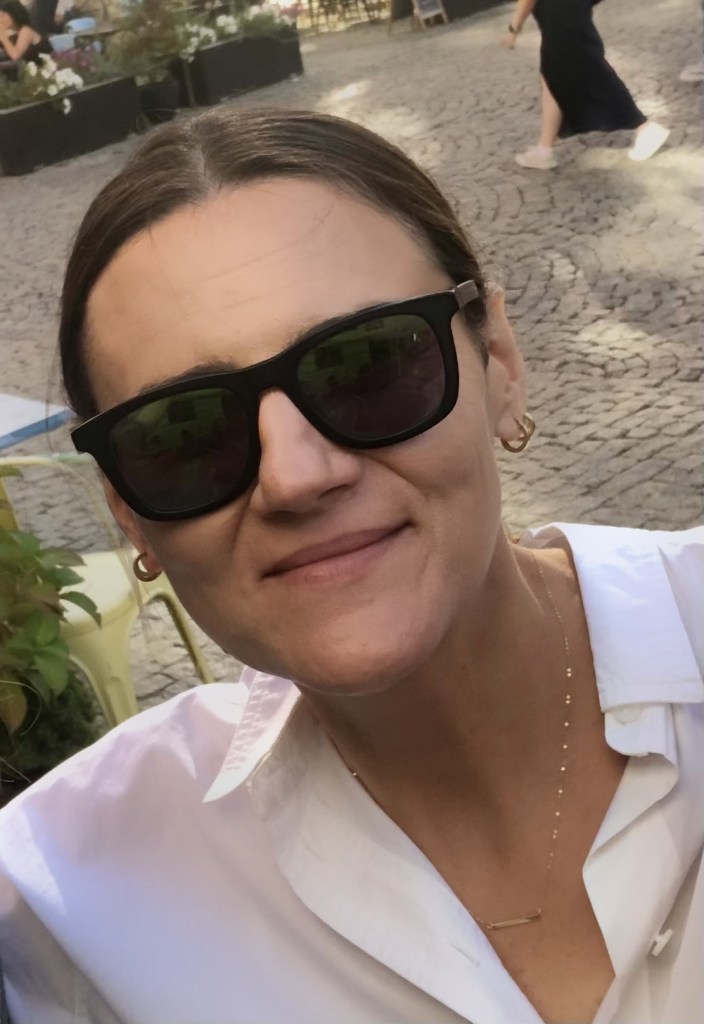
My name is Anna.
I write about living with CIDP (Lewis-Sumner Syndrome), managing autoimmune neurological disease, coping with hospital treatments like IVIg and SCIg, reducing medical stress, and building resilience through mindful living.
I hold a master’s degree in social work from the University of Maria Curie-Skłodowska (UMCS) in Lublin, Poland.
My education deepened my understanding of human resilience, mental health, and community support — values that shape this blog.
I am Polish, but I spent many years living in Philadelphia, PA, where I also became a U.S. citizen.
Today, I live in the peaceful mountainous region of Bieszczady in southeast Poland.
Outside of managing my health, I find joy in hiking, Nordic walking, reading — and yes, house chores and cooking. Sometimes folding laundry feels like occupational therapy.
Together with my husband, I navigate life’s ups and downs, striving to live fully despite the challenges of CIDP.
Why This Blog Exists
I started this blog as both a creative outlet and a therapeutic escape.
Here I talk honestly about:
• IVIg and SCIg side effects
• Hospital stress and medical PTSD
• Invisible disability
• Mental resilience
• Mindful living and coping strategies for autoimmune chronic disease
Not as a victim.
Not as a hero.
But as someone learning to adapt.
And here I am .