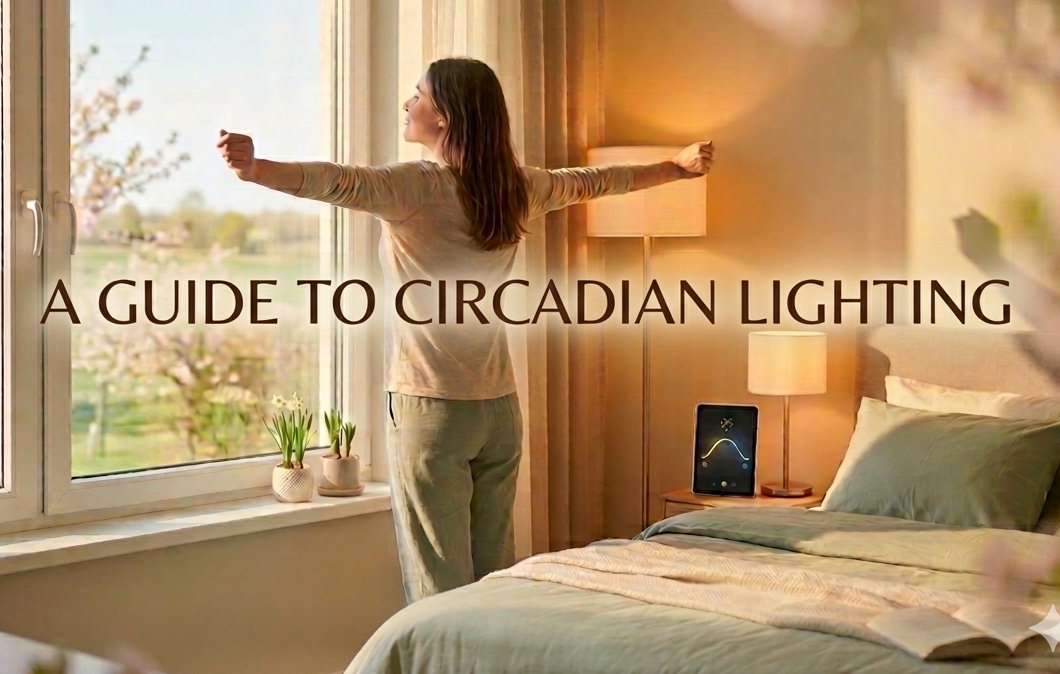
Combat Spring Exhaustion Naturally
It’s springtime. I am tired.
I have CIDP, and to be honest could blame it for my fatigue—and I absolutely do.
(In fact, I blame it for a lot of things. The list is rich and impressive.)
But then I look around and see relatively healthy people dragging themselves through the day like they’re wearing concrete shoes, complaining about the same sluggish, foggy, “why am I tired after doing absolutely nothing?” feeling.
And suddenly I’m like… wait a minute. Is this also a “normal human” thing?
Turns out, spring doesn’t discriminate. It hands out fatigue generously to everyone like some kind of seasonal subscription—no diagnosis required.
Rude, isn’t it?
Now I’m slightly annoyed.
Because it was much easier when I could confidently blame everything on CIDP.
Clean, simple, “poor me” satisfying.
Why Do I Feel So Tired in Spring?
If you’re dealing with brain fog, tiredness, sleep disruptions, and a general lack of enthusiasm — welcome to Spring Fatigue (or Spring Asthenia, read here).
Or better yet …welcome to the world of fatigues for every occasion at all – read here
While most people blame “pollen” or “the change in weather,” the real culprit is often invisible: your internal biological clock.
As we transition into 2026, the wellness world has moved beyond simple “sleep hygiene” (like avoiding caffeine).
The biggest trend in biohacking and restorative health these days is Circadian Lighting.
If you want to stop fighting your body and start flowing with the season, understanding how to use light to fix your spring sleep is your ultimate secret weapon.
The Science: Why Spring Messes With Your Clock
Your body operates on a 24-hour internal loop called the circadian rhythm.
This rhythm is governed by a tiny part of your brain called the Suprachiasmatic Nucleus (SCN), which responds primarily to one thing: Light.
In winter, our bodies get used to long nights and low light. We produce high levels of melatonin (the sleep hormone).
When spring arrives, the sudden increase in daylight and the shift in sunset times send conflicting signals to the SCN.
Your body is trying to ramp up serotonin (the “awake” hormone) while still holding onto its winter melatonin stores.
This “hormonal tug-of-war” is exactly why you feel exhausted.
What is Circadian Lighting ?
It is the practice of intentionally using light—both natural and artificial—to mimic the sun’s cycle, helping your hormones find their balance again.
5 steps How to Fix your Circadian Lighting Rhythm
☀️ Step 1: The “Golden Hour” Strategy (Morning Light)
The most important light you receive all day is the light you see within the first 30 minutes of waking up. This “anchors” your circadian rhythm.
- Natural Lux: Even on a cloudy spring day, outdoor light is significantly brighter (measured in lux) than any indoor office light.
- The Serotonin Spike: Morning sunlight hits the melanopsin receptors in your eyes, instantly halting melatonin production and triggering a surge of serotonin and cortisol to give you natural energy.
- The Countdown: Viewing bright light in the morning sets a “timer” in your brain. It ensures that 14 to 16 hours later, your body will naturally start producing melatonin again.
Actionable Tips:
- Open the curtains immediately: Let the sun be your alarm clock.
- The 10-Minute Walk: Drink your morning coffee outside or on a balcony. Even 10 minutes of direct sky exposure (no sunglasses!) makes a massive difference.
- Light Boxes: If you live in a rainy climate or have a basement apartment, use a 10,000-lux therapy lamp for 20 minutes while you get ready.
☀️ Step 2: Managing the “Mid-Day Slump” with Blue Light
Mid-day is when spring fatigue hits hardest. Your body temperature dips, and you reach for a third espresso. Instead of more caffeine, use biological lighting.
- Blue-Enriched Light: During the day, you want blue light. It’s found in natural sunlight and high-energy LED bulbs. It keeps you alert, improves reaction time, and boosts your mood.
- The Outdoor Break: A 20-minute walk at noon provides the “peak” light signal your brain needs to understand it is officially daytime.
Actionable Tips:
- Position your desk near a window: Side-lighting from a window provides consistent circadian support.
- Cool-White Bulbs: In your workspace, use bulbs with a color temperature of 5000K to 6500K. This mimics the high-noon sun.
☀️ Step 3: The Evening Pivot (Warmth & Dimming)
This is where most people fail. As the spring days get longer, we tend to stay active under bright, overhead artificial lights until 9 or 10 PM. This tricks your brain into thinking it’s still mid-afternoon, suppressing the melatonin you need to fall into a deep, restorative sleep.
- The Melatonin Gap: If you use bright “Daylight” bulbs in your living room at night, your brain won’t start the “wind-down” process.
- Color Temperature Matters: You need to transition from “Cool Blue” to “Warm Amber.”
Actionable Tips:
- The 8 PM Rule: Two hours before bed, turn off all overhead lights. Switch to floor lamps or table lamps positioned below eye level.
- Amber Bulbs: Use “Warm White” (2700K or lower) or even red-tinted bulbs in the bedroom. Red light has the least impact on melatonin suppression.
- Smart Home Automation: In 2026, many smart bulbs (like Philips Hue or LIFX) have a “Circadian Mode” that automatically shifts from blue-white to warm-orange as the sun sets. Use it!
☀️ Step 4: Controlling the “Digital Sun” (Screens)
Your phone, tablet, and TV are essentially “portable suns” that you hold inches from your face. They emit concentrated blue light that is devastating to spring sleep quality.
- The Blue Light Myth: It’s not just the color; it’s the intensity. A bright screen, even with a “night filter,” can still signal alertness to the brain.
Actionable Tips:
- Blue Light Glasses: If you must work late, wear high-quality amber-tinted glasses.
- Native Filters: Set your devices to “Night Shift” or “Blue Light Filter” to activate automatically at sunset.
- The “Screen-Free Hour”: Dedicate the final 60 minutes of your day to analog activities—reading a physical book, journaling, or doing gentle spring stretching.
☀️ Step 5: Blacking Out the Early Spring Sunrise
One paradox of spring is that while you are tired, the early sunrise might wake you up at 5:30 AM before you’ve finished your 8 hours of sleep. This “fragmented sleep” makes fatigue worse.
Actionable Tips:
- Blackout Curtains: Use these to keep your room pitch black until you are ready to wake up.
- Eye Masks: A weighted silk eye mask can help you stay in deep REM sleep even as the sun begins to rise outside.
Summary Checklist for Your Circadian Spring Reset
| Time of Day | Light Goal | Action |
| Morning (7 AM – 9 AM) | Maximum Brightness | 10-20 mins sunlight; no sunglasses. |
| Mid-Day (11 AM – 2 PM) | Consistent Blue Light | Work near windows; take a “noon stroll.” |
| Evening (7 PM – 9 PM) | Warm & Dim | Turn off overheads; use amber lamps. |
| Night (9 PM – 7 AM) | Total Darkness | Use blackout curtains; no screens 1 hour before bed. |
Why This Beats Fatigue Naturally
By aligning your home’s lighting with the natural rhythm of the sun, you are essentially “bio-hacking” your hormones.
Instead of forcing yourself to wake up with 400mg of caffeine, you are allowing your serotonin to rise naturally with the light.
Instead of struggling to fall asleep while your mind races, you are allowing melatonin to flood your system the moment the sun goes down.
Spring is a season of renewal. Don’t let your old lighting habits keep you in a winter fog. Step into the light—the right kind of light—and reclaim your energy.
Finally
The thing is, we depend on the sun like you don’t know—not just when we’re desperately booking sunny vacations, but in our everyday lives.
All of nature does.
Fauna, flora, all of it.
The sun isn’t just some poetic “life giver”—it’s literally running the whole show.
As I was diving into circadian lighting, it struck me just how far we’ve come… and not necessarily in a good way—especially when it comes to ignoring this powerful, life-giving force in our health and wellness.
Here’s why it actually matters:
1. Your body clock depends on it
Sunlight regulates your circadian rhythm—your internal clock that controls sleep, energy, hormones, even digestion. Morning light tells your body, “hey, we’re alive, let’s function,” while lack of it leaves you feeling foggy and out of sync.
2. It affects your energy more than coffee does (sorry, coffee)
Natural light boosts alertness and helps your body produce serotonin—the “feel good” chemical. Without enough sunlight, everything feels heavier… mentally and physically.
3. It’s key for vitamin D (and your immune system)
Sun exposure helps your body produce vitamin D, which supports immunity, bone health, and muscle function—especially important when you’re already dealing with a condition like CIDP.
4. It influences your mood (a lot)
Low sunlight exposure is linked to low mood and even seasonal depression. That sluggish, “what is the point of anything?” feeling in darker months? Not just in your head.
We wake up to artificial light, sit indoors all day, and stare at screens at night.
Basically, we’ve confused our brains into thinking we live on a different planet.
Now, how unwise is that?
A small note: I’m sharing my personal experience as someone living with CIDP, not as a medical professional—always trust your own body and consult a qualified healthcare provider for medical advice.
Sharing is caring – if this supported you in any small way, sharing it may support someone else with CIDP, or any other chronic disorder, and subscribing keeps this circle of healing and awareness growing.
Sources;
- PubMed (National Library of Medicine): Seasonal Variations in Fatigue and the “Spring Fatigue” Phenomenon — A study exploring how light shifts impact human hormones and whether “Spring Fatigue” is biological or cultural.
- The University of Basel: Circadian Rhythms and the Impact of Daylight on Sleep Quality — Research regarding how the biological clock adjusts to seasonal changes.
- Mayo Clinic: Circadian Rhythm Sleep Disorders and Light Therapy — Clinical insights into how artificial and natural light can be used to treat seasonal lethargy.
- Sleep Foundation: How Blue Light Affects Sleep — Comprehensive data on how different light wavelengths (blue vs. red) impact melatonin production.
- Harvard Health Publishing: Blue Light has a Dark Side — An analysis of the relationship between electronic screens, circadian disruption, and long-term health.
- MDPI Nutrients: The Role of Light in Regulating Metabolic Health and Fatigue — A scientific review of how light exposure influences energy levels and metabolic rhythms.
- ScienceDirect: The Effects of Correlated Color Temperature (CCT) on Human Alertness — Technical background on why “Cool White” (blue) light increases alertness and “Warm White” (amber) light promotes rest.
- Nature Journal: Light as a Central Modulator of Circadian Rhythms, Sleep, and Mood — A foundational neuroscientific paper on the SCN (Suprachiasmatic Nucleus) and light receptors in the human eye.



Leave a Reply